

Think dry heat and you might start sweating. Mention Arizona in a casual conversation, and odds are someone will bring up the venomous reptiles of the Southwest — rattlesnakes! Rattlesnakes are a vital part of Arizona’s ecosystem, helping control rodent populations and maintaining ecological balance. With a little awareness and caution, we can coexist safely with these remarkable snakes — even during their busiest season.
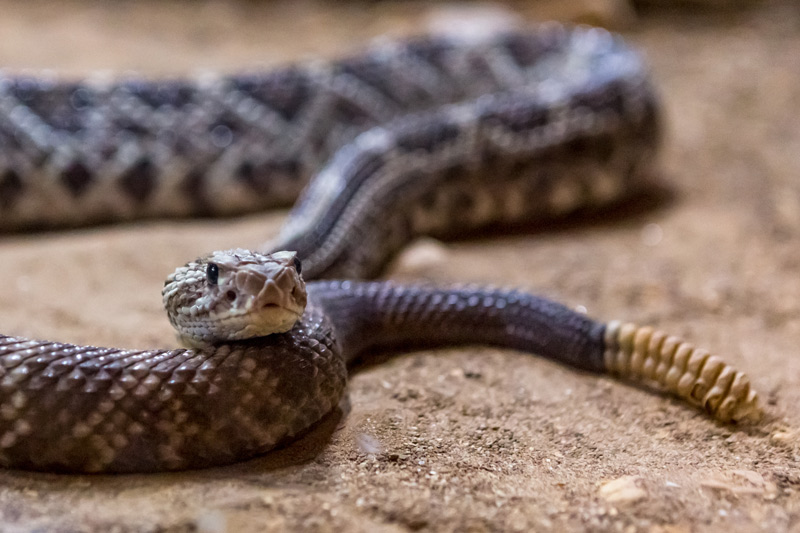
HERE’S WHAT YOU SHOULD KNOW: APPRECIATE THEM FROM A RESPECTABLE DISTANCE
Arizona is home to more species of rattlesnakes than any other state. There are at least 14 different varieties that slither across the deserts, mountains, and canyons. While these reptiles are active for much of the year, August is a particularly important month in their seasonal cycle. In fact, it is peak activity season for rattlesnakes.
MONSOON RAIN STIRS MOVEMENT
Ordinarily, August marks the tail end of Arizona’s monsoon season, bringing cooler temperatures and increased humidity. These changes create ideal conditions for rattlesnakes, which are cold-blooded and rely on external temperatures to regulate their body heat. After the scorching heat of June and July, August evenings, especially after a monsoon storm, offer a bit of heat relief — warm enough for activity, but not as dangerously hot as June and July evenings. During August, rattlesnakes shift their activity to the cooler hours of dusk, night, and early morning hours.
You’re more likely to encounter a rattlesnake on a twilight hike, or when walking your dog after sunset. Often, they are found crossing roads, basking on warm pavement, or coiled near trails or within backyards.
Monsoon rains stir rattlesnake movement due to the coolness they provide. Also, the rain brings out prey like rodents, frogs, and insects. This abundance of food encourages rattlesnakes to roam in search of their next meal.
MATING SEASON FOR SOME SPECIES
For some species, like the Arizona ridge-nosed rattlesnake, August is part of the mating season. Males may travel long distances in search of a mate, increasing the changes of human encounters — just another reason the snakes may appear more active and visible this month.
BACKYARD ENCOUNTERS ARE COMMON
According to Arizona poison control centers, a significant number of rattlesnake bites occur in residential backyards. Snakes may seek shelter under patios, in garages, or beneath landscaping features like rocks and wood piles. Bushes that grow to ground level are also favorite resting places for snakes.
HOW TO STAY SAFE
- Stay alert at dusk and dawn, especially near trails, rocks, or brush.
- Keep pets leashed and children close when outdoors.
- Avoid reaching blindly into shaded areas, under rocks, or into bushes.
- Wear closed-toe shoes and long pants when hiking.
- If you see a rattlesnake, give it space — at least six feet. They’re not aggressive and will usually retreat if left alone.
WHAT TO DO IF BITTEN
If bitten, seek medical attention immediately. Do not attempt to suck out the venom, apply ice, or use a tourniquet. The only effective treatment is antivenom, which must be administered in a hospital setting.
To find hospitals near you that carry antivenom for snakebites, it’s recommended to go to a large hospital emergency room, as they are more likely to have it in stock than smaller facilities.
You can also call 911 or your local emergency number for immediate assistance and guidance. The closest emergency room should be your first point of contact for immediate treatment. Because there isn’t a central database tracking which hospitals have antivenom, contacting emergency services is the most practical way to find help.
For more information on rattlesnakes, you can visit the Arizona Game and Fish Department at azgfd.com.