

In today’s world, children need far more than strong academics to thrive. Employers consistently seek individuals who can communicate effectively, adapt to change, collaborate with others, and solve problems creatively. These “soft skills” might sound like qualities developed in adulthood, but the truth is that their foundation is laid much earlier, often long before a child enters high school or the workplace.
THE POWER OF SOFT SKILLS
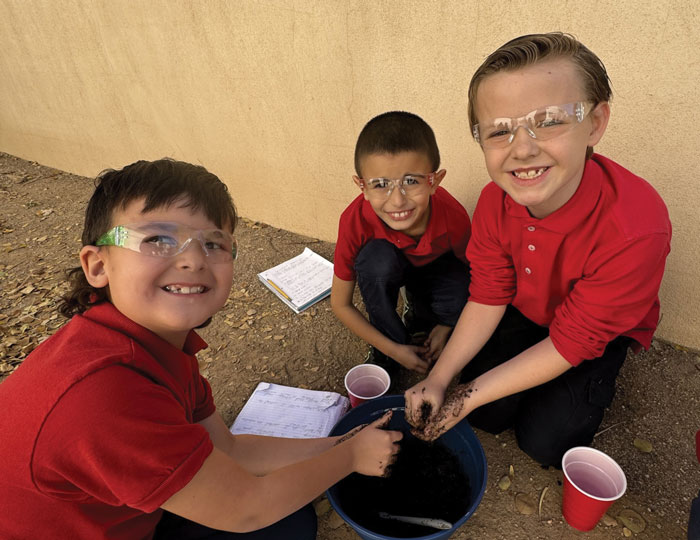
Soft skills shape the way children handle frustration, interact with classmates, and respond to new or unexpected situations. As adults, these same abilities become essential for navigating teams, projects, and challenges at work. Research and employer surveys repeatedly show that communication, teamwork, and emotional intelligence rank as highly as technical expertise. It’s a powerful reminder: while academic learning is meaningful, a child’s ability to relate to others and persevere through challenges plays a significant role in long-term success.
EARLY CHILDHOOD: THE FIRST LEARNING LABORATORY
Young children learn about the world through play, conversation, and exploring whatever sparks their curiosity. These everyday moments, which often seem simple to adults, are full of opportunities to develop soft skills.
A preschooler describing a picture to a teacher is strengthening their communication skills. Two children building a block tower are practicing teamwork, negotiation, and even leadership. A child trying to fix a wobbly structure or resolve a disagreement with a friend is learning problem-solving and emotional regulation.
During these early years, children develop rapidly in terms of social, emotional, and cognitive growth. With gentle guidance and intentional support, this natural growth becomes a robust foundation for the skills they will rely on for years to come.
EARLY ELEMENTARY: STRENGTHENING AND EXPANDING SKILLS
When children transition to kindergarten through third grade, their world expands. Routines become more structured, classrooms become more collaborative, and expectations grow. Classroom discussions teach children how to express ideas clearly and listen respectfully. Group activities help them practice cooperation, patience, and shared responsibility. Multi-step assignments, new technology, and changing routines help them develop flexibility, resilience, and problem-solving strategies.
Even simple experiences, such as meeting a substitute teacher, adjusting to a new seating chart, or learning with different partners, teach adaptability and build confidence. These skills not only strengthen academic growth but also promote emotional well-being.
HOW SCHOOLS SUPPORT SOFT-SKILL DEVELOPMENT
At Self Development Academy (SDA), we intentionally weave soft-skill development into everyday learning. To support this commitment, social-emotional learning lessons help students understand their emotions, show empathy, and manage conflicts constructively. Classroom jobs and reflection routines build responsibility and self-awareness. Group projects encourage communication and collaboration.
Teachers who emphasize growth, effort, and persistence help students learn that challenges are not setbacks; they are opportunities to build resilience and confidence. Schools should also highlight soft skills in student feedback, signaling to children and families that these abilities are essential components of success, not secondary extras.
THE ROLE OF FAMILIES
Families play an equally important role. When parents encourage children to express their feelings, describe their thinking, or help them make small decisions, they build communication skills and confidence.
Everyday moments offer opportunities to learn, whether playing board games, completing chores, planning outings, or even navigating disagreements at home.
Children watch how adults solve problems, communicate, and respond to stress. These daily interactions reinforce the same skills teachers work to develop in the classroom.
A COMMUNITY INVESTMENT
When parents, educators, and communities collaborate to develop a child’s soft skills in their early life, the benefits extend far beyond academic success. Children become better communicators, critical thinkers, compassionate individuals, and confident learners. By intentionally nurturing these skills in preschool and the early elementary years, we at SDA equip children with the tools they need not just to achieve academically but to thrive in relationships, in future workplaces, and in life.
For preschool, please contact (480) 396-3522, and for the K-8 program, call Self Development Academy at (480) 641-2640.