

As soon as the math teacher enters one of the fifth grade classrooms at Self Development Academy (SDA), Mason (not his real name) smiles and starts gathering his math book, lined papers, and pencil.
Soon he walks toward the section of the whiteboard designated for Mason to work on math problems. As the teacher instructs the larger group, Mason intently listens to the discussion and follows along, writing on the board, and solving the same problems as the class, while working independently. Occasionally, the instructor will check his answers and guide him to construct his own math problems and solve them. Mason has strong math skills, enjoys writing on the whiteboard, and appreciates the opportunity to create and solve his own math problems.
Mason becomes so engrossed in this activity that he is even oblivious to the fact that 60 to 80 minutes may have elapsed. His intense engagement keeps him focused on creating and solving math problems related to the concepts being taught in the class. He looks forward to the teacher’s return and wants this experience to be repeated.
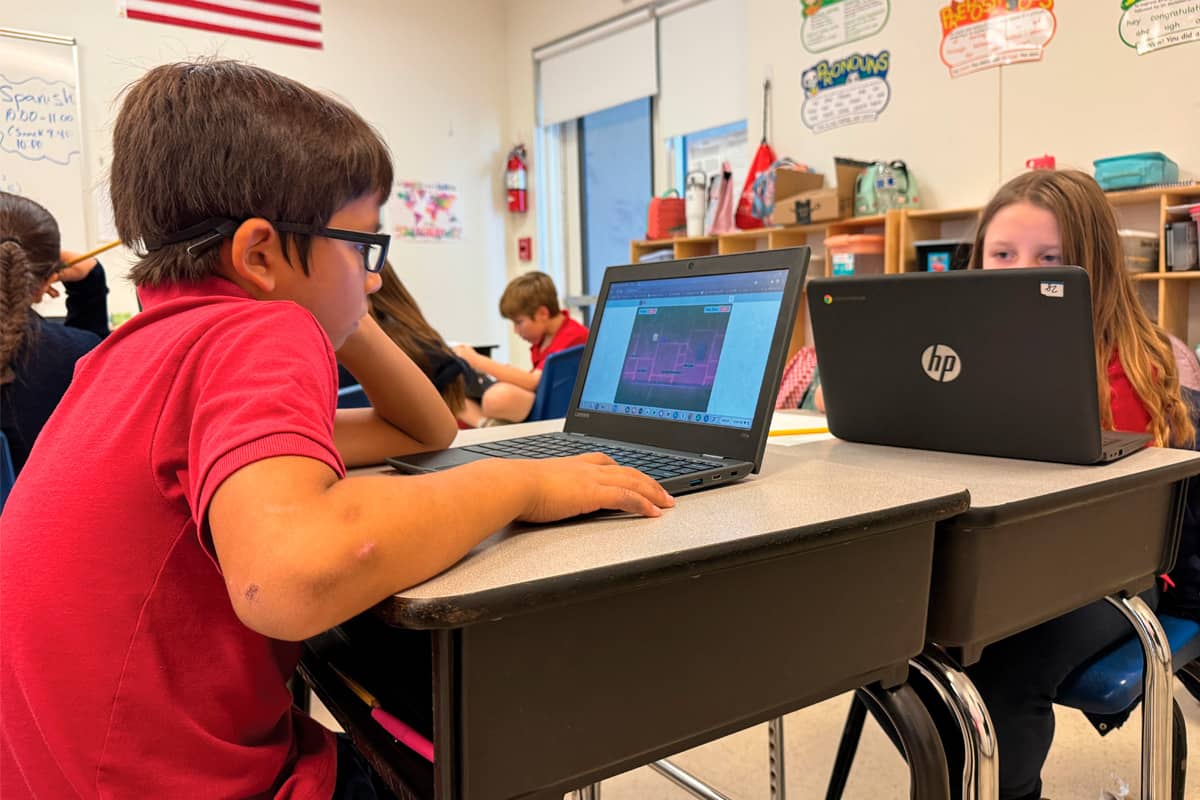
FLOW AND POSITIVE PSYCHOLOGY
The above student experiences what positive psychologists refer to as a state of flow. Flow is a state of full immersion in an activity that one finds rewarding and enjoyable.
Parents and teachers must create more of these opportunities that motivate students to learn and grow. When children enjoy the task, they find it more fulfilling, which increases the level of their well-being and happiness.
The search for happiness and positive psychology can be traced back to the ancient philosophers. The earlier philosophers emphasized, “Know thyself.” Further, they said that to attain happiness, we must live a life that is in alignment with our values. A more contemporary interpretation of positive psychology emphasizes contentment and serenity through recognizing one’s inner strengths, having a keen awareness of gratitude, and learning to forgive.
RECOGNIZING STRENGTHS
The works of positive psychologists and scholars, such as Abraham Maslow, Carl Rogers, and Martin Seligman have inspired the development of the philosophy and the values of Self Development Academy (SDA). Positive psychology focuses on the development of individual strengths instead of weaknesses. The focus on knowing one’s self, knowing one’s strengths, and focusing on one’s strengths for academic gains have guided many students at SDA to move toward achieving their maximum potential.
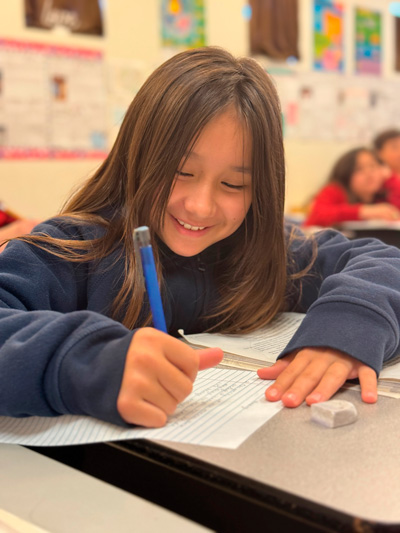
Not only is it important to identify students’ strengths, but also align the strengths to students’ passions and preferences. In the case of the above student, Mason, though his strength lies in math, he does not like doing math problems at his desk. He prefers to write on the whiteboard. He is happier when he is standing at the board. The teacher was able to recognize Mason’s preference for effective learning.
PRACTICING GRATITUDE
Traditional values convey and contemporary research confirms that gratitude helps improve an individual’s overall well-being. A main aspect of positive psychology is to reevaluate a difficult situation in the past and use it as a learning moment to handle the present or a future situation more positively.
Both parents and teachers can implement a daily gratitude routine. We can have children identify three things they are grateful for and three things that they can do differently for a more desirable outcome. For younger kids, this could be done verbally during bedtime at home, or during circle time in the classroom. This practice of daily gratitude moments helps develop a lifelong habit of being thankful for our experiences, learning from difficult situations, and promoting our well-being.
LEARNING TO FORGIVE
Learning to forgive promotes the individual’s well-being. In positive psychology, genuine forgiveness does not necessarily mean that we forget about the event, but it provides an opportunity to rid of negative feelings surrounding the events and the person responsible for it. Teachers and parents can guide the children to recall the details of the situation, understand the perspective of the possible instigator, and appreciate the time when somebody else forgave them. Most importantly, when the feelings associated with the situation resurface, we must remind our children to move forward because they have already forgiven the person.
Positive experiences in schools and at home have lasting effects on our children’s well-being. By concentrating on children’s strengths and positive experiences, we help develop a positive sense of self and an opportunity for self-fulfillment.
To learn more about Self Development Preschool, please contact (480) 396-3522, and for the accelerated K-8 program, Self Development Academy, call Self Development Academy at (480) 641-2640.