
What Cognitive Science Can Teach Us About Learning to Read
After nearly two and a half decades, I returned to kindergarten to teach part-time, curious to see what cognitive science and the science of reading and mathematics look like in the earliest years. During a phonics lesson on the long a sound, the word cake was on the board. I asked for other words with the same sound. The children offered bake, lake, and rake. One child added ate.
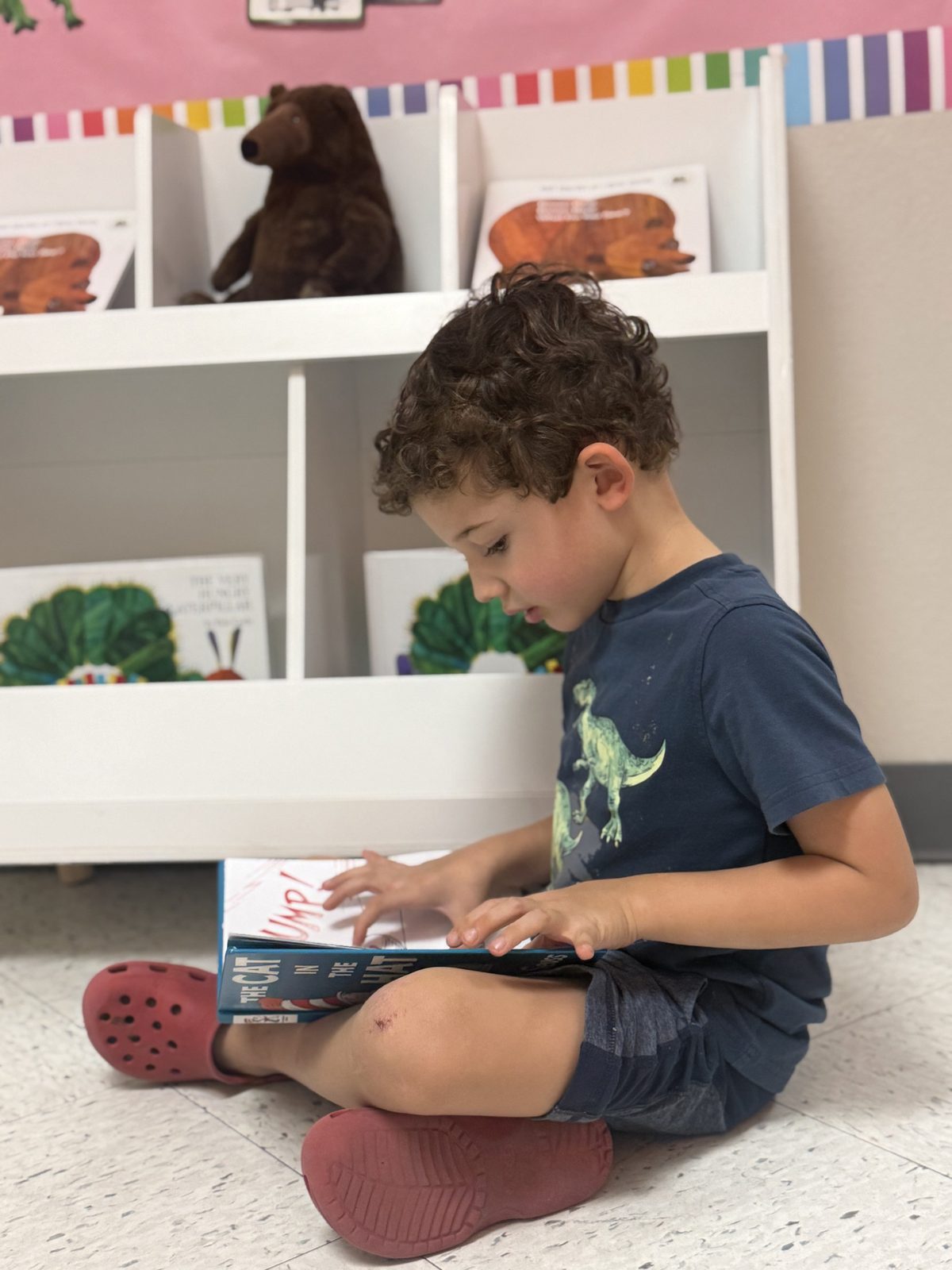
“What pattern do you see?” I asked.
One child responded, “Consonant, vowel, consonant, vowel.” We tested the pattern until we reached ate. He paused, then revised it: “Vowel, consonant, vowel.”
The children were doing more than practicing phonics. They were using what they knew to recognize a pattern, test an idea, and revise their thinking. It made me wonder: What other language experiences encourage children to listen closely, notice patterns, and become curious about words?
That question brought me back to Dr. Seuss.
What Are We Losing?
We have become more knowledgeable about how children learn to read at precisely the time when some of the language experiences that once surrounded them are disappearing. For generations, children heard and repeated nursery rhymes, songs, and poems before they could read. Through play, they encountered sounds, patterns, vocabulary, rhythm, and rhyme.
Today, fewer children appear to enter school knowing traditional nursery rhymes. Reading aloud also occupies less time in many children’s lives, and some educators report that singing together has become less common in school.
Research has connected early knowledge of nursery rhymes with phonological awareness and later reading and spelling. Studies also suggest that adding music to nursery rhymes can support verbal memory. Rhythm and rhyme draw attention to the sounds of language, while repetition helps children remember and anticipate what comes next.
Maybe we appreciated the value of this simple language learning approach more than we realized.
Why Dr. Seuss?
Dr. Seuss offers many of these same qualities: rhythm, rhyme, repetition, patterns, unusual words, humor, and language children want to repeat.
Literacy researcher Beth Phillips of the Florida Center for Reading Research points to an interesting value in Dr. Seuss’s invented words. She explains that they can spark word consciousness, a metacognitive attention to words and their meanings. Children begin to wonder: Is that a real word? What might it mean?
Phillips notes that this curiosity matters because an interest in learning what words mean is associated with learning more words.
Repetition also has a purpose. When we pause before a familiar word, children remember it. When a pattern changes, they notice and think again.
The Role of Structured Phonics
Dr. Seuss is not a reading curriculum.
For beginning readers, predictable text can sometimes encourage reliance on repetition or context rather than careful decoding. Education Week has reported research and expert concerns that when children rely on predictable text and other cues to identify unfamiliar words, they may underuse the phonics skills they are learning. For this reason, Dr. Seuss belongs alongside systematic phonics instruction and carefully selected decodable texts, rather than in place of them.
Self Development Academy uses a structured phonics curriculum. The focus is on teaching children to hear and manipulate phonemes, connect sounds to letters, blend and segment sounds, recognize spelling patterns, and decode.
Dr. Seuss adds something different. In preschool, his books enrich oral language through rhyme, rhythm, vocabulary, and repetition. In kindergarten, teachers can connect that language play to explicit learning: What sound do you hear? What pattern do you notice? Which words rhyme? Is that a real word or a “Seuss” word?
Rigor and Joy
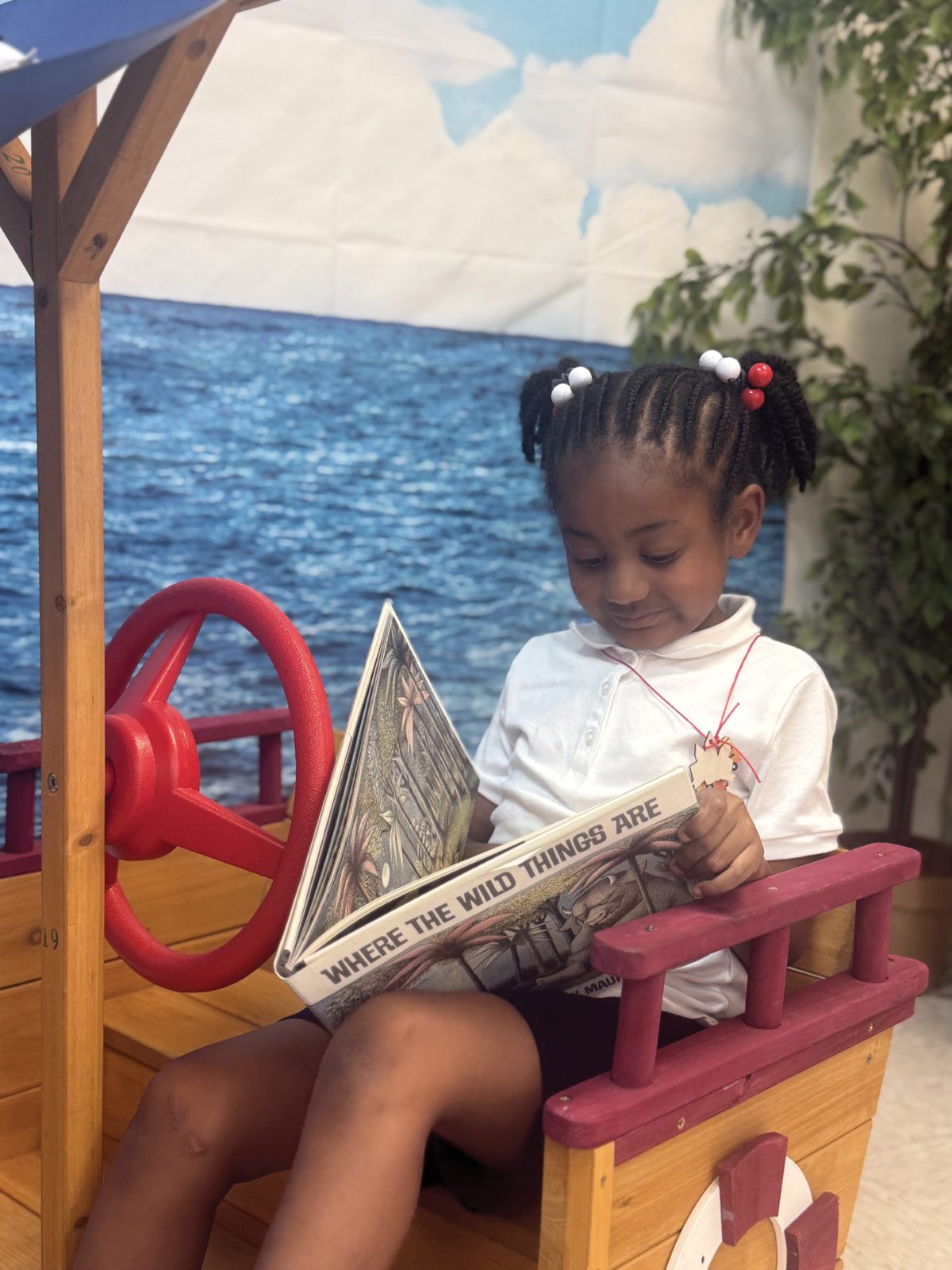
Explicit instruction builds knowledge and skills. Poetry, stories, rhyme, rhythm, and song give children another place to use that knowledge and remain curious about language. Just the other day, during a kindergarten read-aloud, a child struggled with the word where. Another little hand went up. “That’s the same word in Where Go the Boats.”
The class had learned Robert Louis Stevenson’s poem the week before and sung it to music. The child remembered the word from the poem and recognized it in a new reading.
Teach explicitly. Give children language worth remembering. Then give them opportunities to use what they know. That is why Dr. Seuss. That is why now.
To learn more about Self Development Preschool, please contact (480) 396-3522. For the accelerated K-8 program, Self Development Academy, call Self Development Academy at (480) 641-2640.